
Starting an exterior painting project without knowing which paint to buy can cost a homeowner thousands in early repainting bills. Three cans sit on the shelf at the paint store, and while they look almost the same, picking the wrong one can mean peeling siding in two years instead of ten. The three common exterior paint types (acrylic, latex, and oil-based) each behave differently once they hit wood, stucco, or fiber cement.
Color matters to curb appeal. Chemistry matters to how long that color stays put. Your next exterior painting project will last longer when you pick the paint that fits your house, your climate, and your budget. This post breaks down each of the exterior paint types so you can walk into a paint store with a real plan.
Key Takeaways:
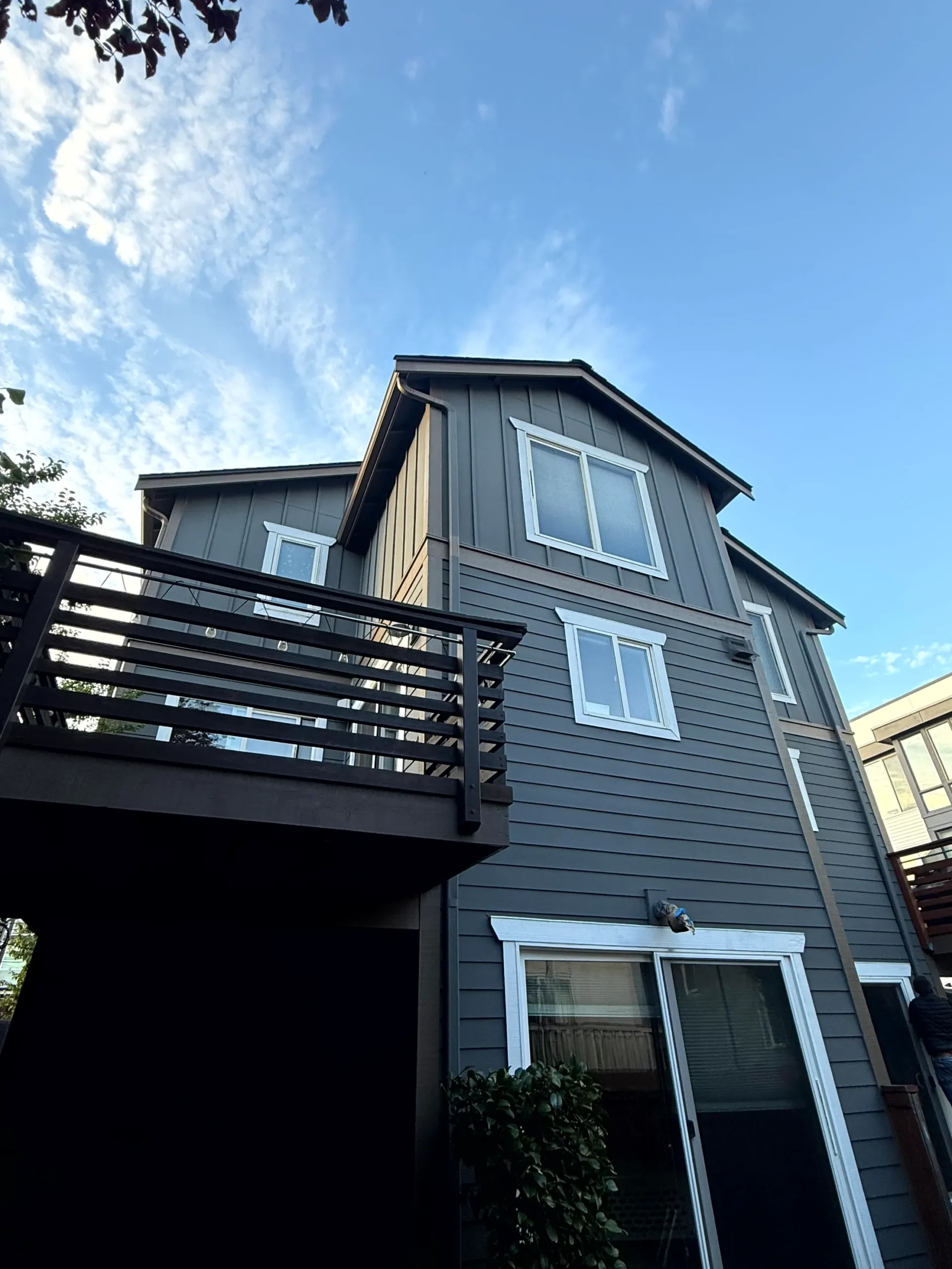
Why Exterior Paint Types Matter More Than Color
Paint does two jobs at once. First, it makes your home look the way you want. Second, it shields wood, stucco, fiber cement, and metal siding from rain, sun, and temperature swings. The color fades. The shield fails. That is why exterior paint types deserve the same attention given to color swatches.
According to the EPA, architectural coatings rules cap the amount of solvent allowed in paint sold across the United States, which has reshaped what sits on store shelves. Oil-based formulas used to dominate exterior work. Today, water-based options lead the market because they meet those rules and still deliver long wear.
A bad paint choice shows up fast. First, you see peeling near the south-facing wall. Then, chalky residue rubs off on your hand. Next, cracks spider across the trim. Each failure means a repaint years before you planned one. And each repaint means more money, more scraping, and more time with scaffolding around the house. Matching paint to surface and climate keeps that timeline on your side, and that starts with understanding how the three exterior paint types stack up.
Latex Paint: The Budget-Friendly Water-Based Option
Latex paint is water-based paint made with pigments, binders, and a water carrier. It cleans up with soap and water, dries in about an hour, and gives off very little odor while drying. For homeowners who want a straightforward exterior painting project, latex paint checks many boxes.
First, latex paint costs less than acrylic and oil-based products. A gallon of exterior latex runs about $25 to $50 at most paint stores. Next, it sticks well to primed wood, drywall, stucco, and fiber cement. Also, cleanup takes minutes, not an afternoon with solvent. These are real advantages when painting a full house.
The tradeoff shows up in weather. Latex paint is less flexible than acrylic paint. Wood siding expands in summer heat and contracts on cold mornings. When paint cannot move with that motion, it cracks. Hairline cracks let water in. Then water leads to rot and mildew. On the west-facing wall of a home in a sunny climate, a basic latex coat might start to show wear after five years.
Latex paint works well on sheltered surfaces and shorter-term repaints where budget matters more than fifteen-year wear. Pair it with a quality primer and you can get reliable results for the money, especially on a smaller exterior painting project like a shed or fence.
Acrylic Paint: Built to Flex With Your House
Acrylic paint is also water-based, but it uses acrylic resins instead of basic latex binders. That small formula change makes a big difference outside. Acrylic resins give the dried paint film the ability to stretch and shrink as the surface beneath it moves.
Wood and fiber cement siding move every day. Morning sun warms them. Evening shade cools them. Rain soaks them. A paint that cannot flex with that motion will split. Acrylic paint holds up under that stress, which is why most painting contractors recommend it for exterior work.
The numbers back this up. According to Consumer Reports, Sherwin-Williams Duration is named the longest-lasting exterior paint brand, and it is a 100% acrylic latex paint that resists fading, cracking, and peeling. Products like Sherwin-Williams Duration Exterior Acrylic carry warranties that reflect this kind of wear life.
Acrylic paint also resists UV damage better than latex. Sun breaks down cheap binders. Darker colors fade first on south- and west-facing walls. But acrylic resins slow that breakdown, so the color on your trim stays closer to day-one brightness for years longer.
A gallon of exterior acrylic runs $40 to $80. That is more than latex up front. However, spread across an eight to twelve year repaint cycle, it costs less per year than cheaper exterior paint types that need repainting sooner.
Oil-Based Paint: Old-School Toughness With Tradeoffs
Oil-based paint uses linseed oil or alkyd resins as the binder instead of water. When it dries, it forms a hard, glossy shell. That hardness is why painters used oil-based paint for decades on front doors, porch floors, metal railings, and window trim. It wears like iron.
Oil-based paint also adheres to surfaces that water-based paints cannot. Old chalky siding, bare metal, and glossy trim all accept oil-based paint with less prep work. The slower drying also helps painters get a smooth finish without brush marks.
But the drawbacks are real. Oil-based paint gives off strong fumes because it carries high levels of volatile organic compounds, or VOCs. The EPA VOC limits on architectural coatings have pushed manufacturers to cut solvent content, and some states cap oil-based paint sales altogether. Cleanup also requires mineral spirits or paint thinner. And the paint can yellow over time, especially in low-light spots.
For a full-house exterior painting project, oil-based paint rarely makes sense today. However, for a specific surface like a high-traffic railing or a door that gets slammed a hundred times a day, it still earns a spot.
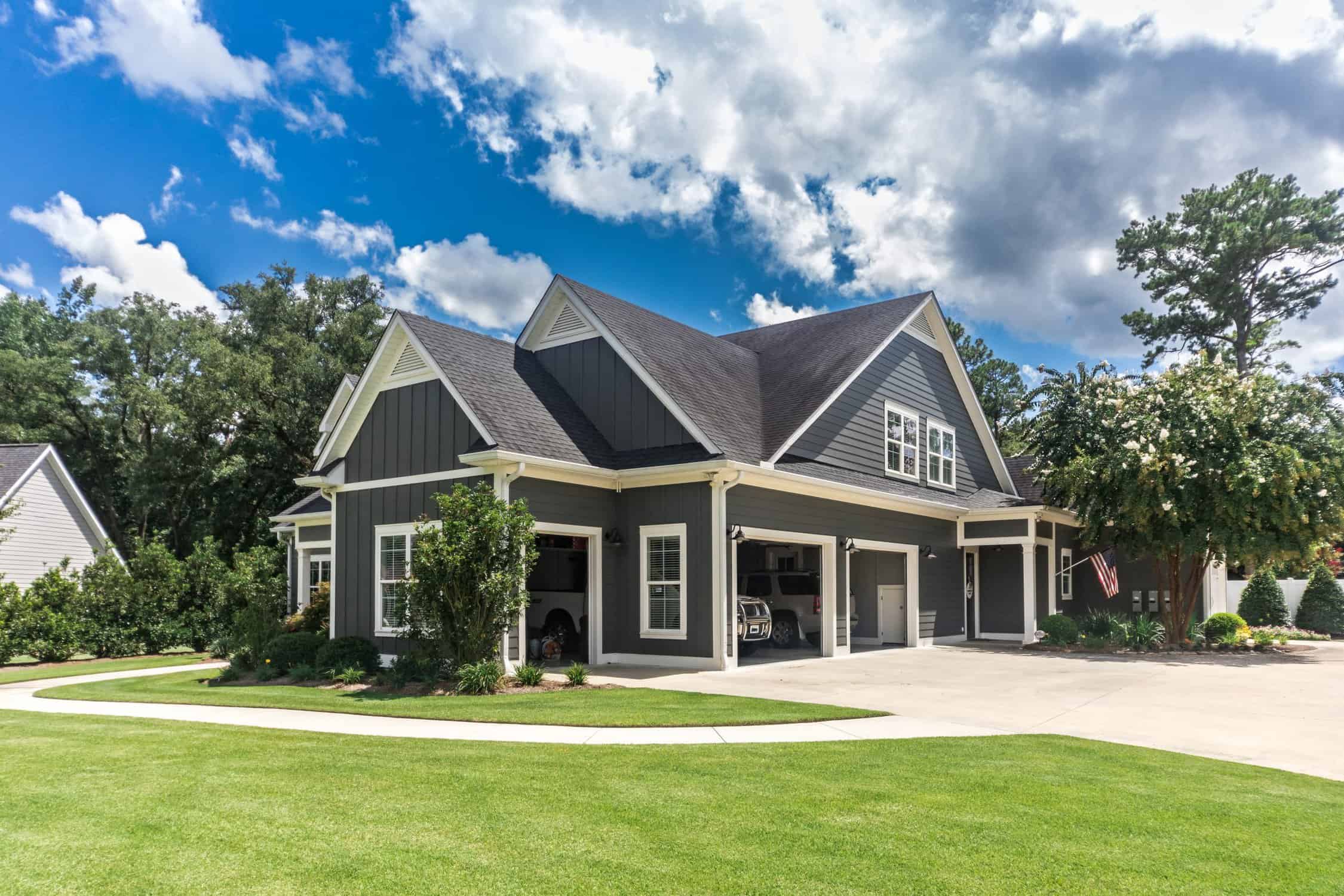
Picking Between Exterior Paint Types for Your Home
Most painting contractors pick paint by matching three things: the surface, the climate, and the timeline.
First, match to the surface. Fiber cement and modern wood siding do best with 100% acrylic paint. Stucco also takes acrylic paint well. Trim, doors, and metal railings can pair with oil-based paint if you want extra toughness. Basic latex paint fits sheltered siding, outbuildings, and shorter-term repaints.
Next, match to the climate. Hot sun and big temperature swings call for acrylic paint because of its flex. Coastal humidity calls for a mildew-resistant acrylic paint. Cold, wet climates also favor acrylic paint for its ability to handle freeze-thaw cycles without cracking.
Then, match to the timeline. A homeowner planning to sell in two years might pick latex paint for the lower upfront cost. But a homeowner planning to stay for fifteen years will save money with acrylic paint because of the longer repaint cycle.
Your exterior painting project deserves the paint that fits all three, not the one on sale this weekend. Ask the paint store for the product data sheet before you buy, and compare it against the exterior paint types you have narrowed down.
Common Mistakes That Shorten Paint Life
Most exterior paint failures trace back to a few repeat problems. First, cheap paint on bare wood is a common one. Bare wood pulls moisture through any coat that has not been primed correctly. Then the paint lifts from the inside out within a year or two.
Next, skipping the power wash is another. Dirt, pollen, and old chalk keep new paint from sticking. Even the better exterior paint types will fail on a dirty wall.
Also, painting in the wrong weather is a big one. Acrylic paint needs surface temperatures above 50 degrees to cure. Oil-based paint can go lower. Latex paint lifts off in cold snaps. Morning dew and afternoon rain can also ruin fresh coats.
Finally, using the wrong sheen trips up many homeowners. Flat paint shows fewer flaws but catches dirt. Semi-gloss trim paint cleans easier and holds up better in high-touch spots. Matching sheen to location helps the paint last.
Ready to Start Your Exterior Painting Project?
The reason professional painters apply two coats by default is simple. Paint is not perfectly opaque, and a single layer leaves room for problems.
Paint chemistry sounds simple on paper and gets tricky on a real house. A painter who works with all the common exterior paint types every week can walk your property, spot the trouble zones, and match products to the exact conditions your siding faces. That single conversation can save years of paint life.
Color Cat Painting LLC has worked through every combination of paint, siding, and weather across the local area. The team can pull product data sheets, explain warranty terms in plain English, and quote an exterior painting project built to last.
Call 253-893-8330 to book a walk-through. Bring a paint chip if you have one. Ask every question on your list about the exterior paint types on the market today. You will walk away with a plan that fits your home, your budget, and how long you plan to stay.